
Confident, Calm & Clutch
Car Ride Conversations for Sports Families Podcast
Quick, impactful talks to fuel mental toughness on the go.
About the Show
Welcome to Car Ride Conversations for Sports Families – the ultimate podcast for parents, coaches, and young athletes who want to unlock the secrets to mental toughness, confidence, and resilience. Whether you're on your way to practice, a big game, or just tackling the daily grind, these bite-sized episodes are designed to spark meaningful conversations and equip young athletes with actionable tools to thrive in school, sports and life.
Hosted by Valerie Alston, former D1 athlete, sport psychology expert, and resilience coach, each episode dives into key topics like building self-belief, staying calm under pressure, and bouncing back from setbacks. With real-life stories, practical tips, and relatable insights, you'll discover how to support your athlete's journey while strengthening your connection along the way.
Buckle up and join us for a ride full of inspiration, growth, and the skills needed to become Confident, Calm, and Clutch!
*Conversations are probably best suited for middle school aged children and up, but you can easily adapt questions for younger elementary aged children.
So why a podcast like this?
Here’s the thing: kids today face a lot of pressure. Whether it’s school, sports, or social life, the challenges can feel overwhelming. And as parents, we want to help, but it’s not always easy to know how. What do we say? How do we start?
This is where Car Ride Conversations for Sports Families comes in. Each episode introduces an important topic—like mental toughness, handling pressure, or building resilience. I’ll explain why the topic matters, and then I’ll give you a few simple, open-ended questions to discuss with your athlete.
But there’s another reason this podcast matters so much to me. Back when I was growing up, we didn’t have the kind of technology kids have today. Car rides were where my family and I often had our best conversations. We’d rock out to good music, observe the world around us, and just talk. In particular, the drives to and from sports were some of my favorite times. Playing travel softball often meant 40- to 60-minute drives, and those moments with my dad, talking about strategy, sportsmanship, tactics, and life lessons, became some of my most cherished memories. They were also some of the most meaningful discussions I’ve ever had.
Today’s generation is so often sucked into technology—phones, tablets, and screens—that they’re missing out on these incredible opportunities to grow and connect. This podcast is my way of helping parents and kids reclaim that time. Let’s use car rides to have fun, spark meaningful dialogue, and build the kind of relationships that truly last a lifetime.
.
Host Valerie Alston welcomes college funding and admissions consultant Shelly Howard, founder of College Ready, to discuss why families should not start the college process by picking a school. Howard explains her approach begins with helping students gain clarity about who they are, what excites them, and their priorities - academic, social, athletic, and financial - before building a balanced list of reach, target, and safe schools and setting realistic expectations about rejection. She emphasizes starting early, normalizing “fail forward,” and using community service and campus visits to help students test interests and build motivation. The episode offers practical family conversation prompts, including asking what excites the student about their future, whether they see themselves going to college, and listening beyond job labels to the deeper goals behind them.
Valerie Alston explains how young athletes can learn from watching playoff sports beyond entertainment by studying confidence, resilience, and performance under pressure. She highlights that pressure doesn’t eliminate mistakes, elite athletes are mistake-resistant and focus on resetting quickly after errors, then explains that pressure reveals preparation, so routines, breathing, body language, and trained habits show up most in big moments. She also emphasizes that championships are won by teams, not superstars, and encourages noticing role players, communication, trust, and small contributions that lead to wins. The episode closes with family discussion prompts about athlete responses to mistakes, composure under pressure, role-player impact, and which personal habits or routines are most trustworthy if a championship game were tomorrow.
Valerie Alston discusses why summer can be a challenging time for young athletes to stay consistent with training when daily school and team structure disappears and distractions increase. Using self-determination theory, she explains motivation as a continuum, starting with intrinsic enjoyment and moving through four additional sources: rewards/punishments, shame/guilt/pride, valuing the outcomes of training, and identity-based motivation (“I am the kind of athlete who prepares”). She notes the limits of relying on external rewards or guilt, highlights discipline and routine when motivation is low, and emphasizes balancing training with rest, recovery, and being a kid to prevent burnout. The episode closes with family conversation questions about current motivators, upcoming goals and how summer training supports them, desired athlete identity, and creating a realistic summer plan.
In this Memorial Day episode of Car Ride Conversations for Sports Families, host Valerie Alston reflects on honoring fallen service members and shares lessons she’s learned from 18 years working alongside Army soldiers that apply to young athletes. She explains that resilience isn’t the absence of struggle but the ability to expect challenges, prepare for them, and keep moving forward, and she emphasizes connecting to a purpose bigger than yourself as a key driver of endurance in tough times. Valerie highlights gratitude as a perspective shift—appreciating opportunities, relationships, and sacrifices that make sports possible—and encourages athletes to honor others’ sacrifices through effort, character, and respect. The episode closes with Memorial Day reflection prompts and conversation questions for families about courage, appreciation, growth through challenges, purpose, and ways to honor a fallen service member.
Valerie Alston shares lessons from speaking to a new audience at a dental association conference and connects that uncertainty to what young athletes face in sports: new teams, tougher competition, unfamiliar roles, and pressure moments. She explains how to build confidence without direct experience by pulling from similar past experiences, identifying when you’ve handled discomfort before, and taking a strengths-based approach that focuses on transferable skills and character traits. She emphasizes a growth mindset, trusting yourself to learn and adjust as situations unfold and recommends staying curious to reduce pressure and keep uncertainty from turning into panic. The episode ends with car-ride discussion prompts for parents and athletes about past scary situations, existing strengths, current uncertainties, and how confidence can grow during the experience.
Host Valerie Alston explains why focus is harder than ever in today’s attention economy, where notifications and constant novelty train brains to shift attention for quick dopamine rewards, making sustained concentration feel like work. She describes how this shows up in youth sports as difficulty locking in during long practices, zoning out in drills, rushing reps, losing focus after mistakes, and quitting sooner when results aren’t immediate. Alston emphasizes that focus is a trainable skill and shares three practical tools: mindfulness practice (starting with 1–2 minutes of breath-focused attention and building toward about 12 minutes a day, 5 days a week for 8 weeks), in-the-moment cue words to redirect attention, and setting clear, specific process targets. She ends with family discussion questions and ideas to reduce distractions.
Host Valerie Alston shares a “grab bag” episode with five micro-lessons from sports to help young athletes build confidence, calm, and clutch performance: the Kentucky Derby comeback as a reminder not to panic when behind and that late bloomers exist; stats that 95% of Fortune 500 leaders and 94% of women in C-suite roles played competitive sports, reframing youth sports as life-skill development beyond scholarships or pros; Steph Curry’s diaphragmatic breath training with sandbags to improve conditioning and nervous-system regulation; a college baseball rain-delay dance-off highlighting how to stay loose and manage uncontrollable downtime; and the importance of teaching kids emotion vocabulary so labeling feelings reduces their power. The episode ends with family discussion questions about comparison, life skills from sport, breathing under pressure, and hard-to-talk-about emotions.
In this episode Valerie discusses how young athletes and parents can handle tough coaching and hard feedback. Many U.S. youth coaches are volunteers with limited formal training, yet most have good intentions and even great coaches give challenging correction. Athletes are encouraged to notice and manage their initial emotional reactions (embarrassment, frustration, anger) using simple resets like pausing, breathing, eye contact, and brief acknowledgments, then evaluate feedback by separating tone from content and asking if it’s true and useful (heard before, tied to clear standards, would another coach agree). She emphasizes reframing tough coaching as often not personal, taking ownership, staying curious, and asking clarifying questions. She also distinguishes discomfort from demeaning or inconsistent coaching and advises parents to manage their reactions, avoid undermining coaches, help kids process feedback logically, and address truly inappropriate behavior privately.
Valerie Alston shares lessons from an Olympic bobsledder who won gold but struggled with depression and feeling lost after sport ended, highlighting the risks of tying identity solely to athletics. She explains how defining yourself as “I am my sport” can link self-worth to performance, increase anxiety and pressure, and make mistakes feel like personal failure. The episode encourages young athletes to build multiple identities (student, friend, sibling, leader, creative, hobbies and interests) so setbacks, losses, injuries, and transitions are easier to handle, while also reducing burnout and supporting mental health. Valerie offers practical ways for families to protect time for other pursuits and provides car-ride discussion prompts to help athletes describe themselves beyond sport, identify outside strengths, and plan how to keep sport meaningful without letting it define them.
Host Valerie Alston discusses how common it is for youth athletes to feel like outsiders on a new team, when moving up age brackets, or transitioning from JV to varsity, and emphasizes that not fitting in doesn’t mean you don’t belong. She explains that teams aren’t necessarily friend groups; athletes don’t need to be best friends with everyone, but they do need trust, communication, respect, and support to compete together. The episode offers practical ways to find common ground: asking simple getting-to-know-you questions, giving compliments, communicating first, and bonding through shared practice and game experiences, while encouraging athletes to control what they can control, build confidence in being themselves, and aim for a few trusted connections. It concludes with conversation questions for families and ways to follow the show.
Core Values for Athletes: How to Handle Unfair Playing Time, Favoritism & Setbacks This episode was inspired by a discussion with an athlete frustrated by limited playing time and perceived unfairness, including the coach’s son getting more opportunities. She explains athletes can’t control circumstances but can control their character by defining 2–3 core values that guide behavior under pressure, uncertainty, and disappointment. Using examples like bench time, bad referee calls, and her own high school softball experience, she emphasizes that adversity reveals character and that coaches often decide based on attitude, resilience, and teammate behavior as much as skill. She highlights Texas walk-on Sarah Graves as a model of choosing to be an elite teammate and culture builder, introduces a “recruiting lens” to evaluate body language and responses, and offers reflection questions for families to discuss values and actions for the next practice or game.
How Travel Sports Build Mental Toughness, Perspective & Gratitude Valerie Alston discusses how travel sports can be used intentionally to build young athletes’ perspective, character, mental toughness, adaptability, and gratitude. Inspired by a coaching friend who takes athletes overseas (especially to Italy) to experience different cultures, language barriers, and communal post-game meals, Valerie notes that international travel isn’t realistic for most families but that even trips to other cities, states, or environments can expand a child’s “bubble” when approached with curiosity rather than judgment. She encourages parents and coaches to prime athletes to adapt to unfamiliar routines, facilities, and conditions, and to use travel to gain experiences beyond the field through local food, landmarks, and reflection. The episode ends with conversation prompts for families and ways to engage with the podcast and newsletter.
What is the “hype vs. help” balance in sports parenting: hype meets an athlete’s emotional needs (confidence, safety, encouragement) while help provides advice, accountability, or technical support. She emphasizes unconditional love so kids don’t feel performance-based approval, suggests supportive phrases, and urges parents to align any pushing with the child’s goals—not the parent’s. Alston distinguishes accountability (collaborative planning, ownership, natural consequences) from forcing or punishment, especially in voluntary sports. She offers three decision questions—what they need emotionally, whether they already know what went wrong, and whether it’s effort or outcome—and notes timing matters because the right message at the wrong time can land poorly. The episode ends with family discussion prompts about feedback, goals, support after setbacks, and creating a non-punitive accountability system.
Host Valerie Alston shares a story of a young softball player whose confidence dropped after seeing a friend’s home-run highlight reel, illustrating how social media, rankings, select teams, and recruiting talk fuel the “comparison trap.” She explains that online highlights show only best moments, not the full process, and that development is not linear, especially as teens mature at different rates. Constant comparison can undermine confidence, create fear of failure and perfectionism, and reduce enjoyment by shifting sport from growth to status—sometimes reinforced by parents’ comments. Alston encourages families to shift to personal growth by tracking controllables and progress (skills, effort, decision-making, mental resilience) and using other athletes as inspiration to study and learn from, not as measuring sticks, offering tips like limiting comparison triggers, journaling, celebrating growth, and reflecting after games.
Host Valerie Alston explains why the post-game car ride can either strengthen or strain a young athlete’s love of sport and the parent-child relationship. She emphasizes there is no one-size-fits-all approach and encourages parents to “read the room,” consider athletes’ physical, mental, and emotional exhaustion, and let the child lead—or skip the conversation entirely. Alston warns against turning car rides into interrogations and suggests protecting joy by focusing on connection, support, and age-appropriate reflection. When discussing performance, she recommends balancing growth with celebration using a positive-to-negative ratio (e.g., 3:1), praising effort and character, and asking the athlete what they want to improve. She also proposes creating a family “car ride code” with simple ground rules and ends with guided discussion questions.

Valerie Alston discusses research shared by Steve Magnusson on Sweden’s soccer development system, challenging the myth that athletes must be elite early to succeed. The data showed three nearly equal pathways to national-team level: 34% debuted at U15–16, 33% at U17–18, and 33% at U21 or directly to the senior team, with 12% of senior internationals having no junior international experience. Players from lower-ranked domestic clubs were overrepresented at senior levels, and junior participation was not a prerequisite for senior success. Alston argues development is non-linear and individualized, warns against early specialization, burnout, and weeding kids out too soon, and emphasizes work ethic, resilience, and character-building. She ends with conversation questions for athletes and parents about pressure, what skills matter, and long-term goals.
How to Utilize the Podcast
As a Parent:
Simply pick an episode on a topic you are curious about and listen. You can listen to all of the questions first, then have a discussion or you can pause after each individual question to have conversation. Each episode is between 9-15 min so that are quick but hopefully the conversation is not!
As A Coach
Pick a topic you think your team needs to learn about. Have them listen to the episode in some way then you facilitate the conversation at practice in some way. It is highly recommended to involve the parents too!
- Option 1: Have athletes listen to the episode prior to practice (perhaps on the drive to practice so it is fresh), then facilitate the discussion questions at some point in practice (before, during, after depending on the topic) and how it might best fit.
- Option 2: Have athletes listen to the episode prior to practice and having the discussion with their parents. Then require them to journal or capture what their biggest lesson learn was and how they will apply that in practice. This could potentially be something they share at the beginning of practice.
- Option 3: Listen live at practice and lead the conversation as a coach instead of parent. You should be part of the conversations adding dialogue as the coach. Tweak any questions that are too parent specific to be more coach relevant. Consider breaking the team into small 4-5 person groups to discuss first, then share bigger lessons learned with the whole group.
Meet the Host
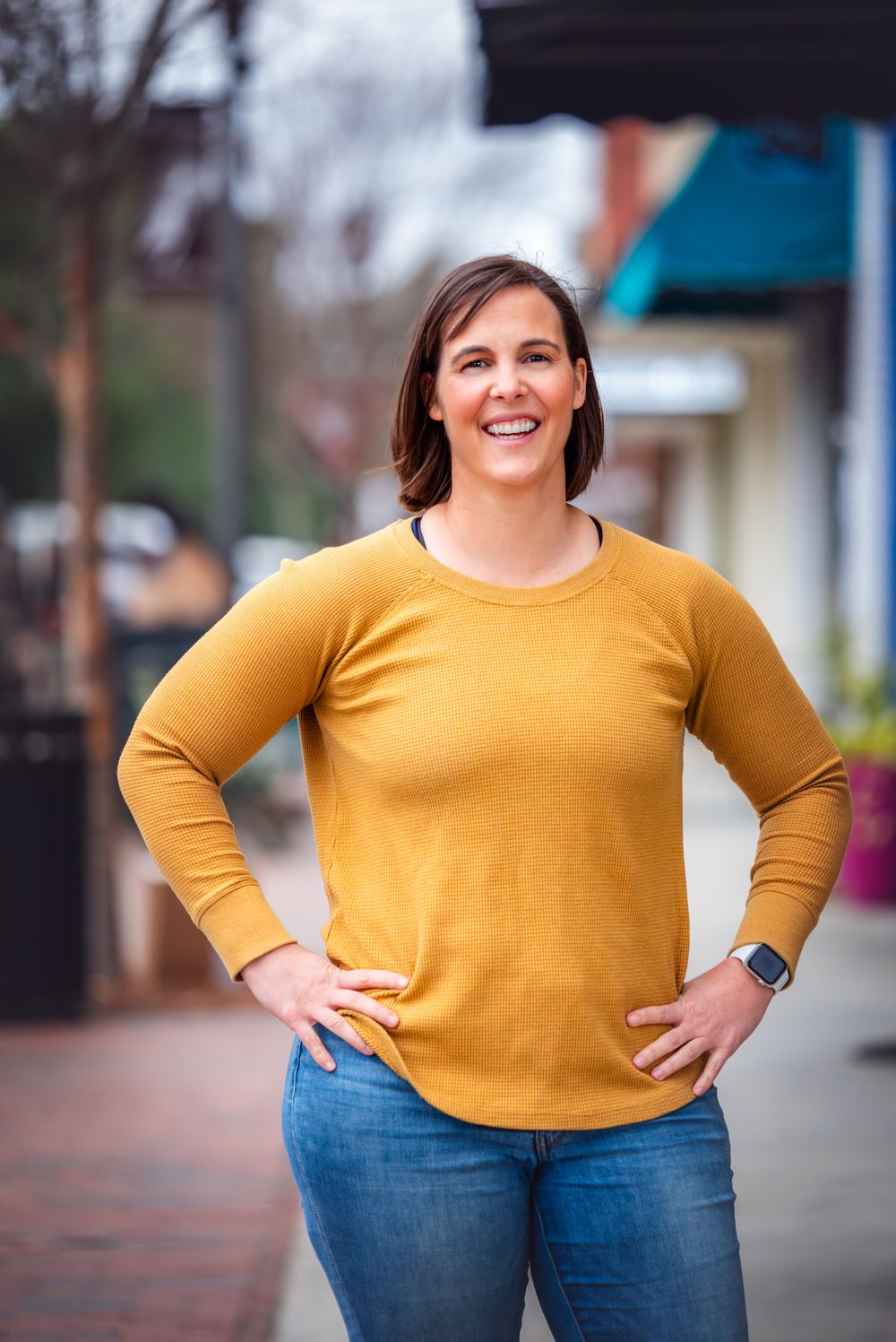
Valerie Alston
Mental Performance Coach & Resilience Expert
Valerie is a former D1 Softball player turned mental skills coach, educator and author. Since 2008 she’s trained thousands of Soldiers to be at their best when it matters the most with sport psychology and resilience skills. Valerie uses her deep understanding of the psychology of success to help athletes get amazing results while also working with parents and coaches to reinforce the skills and create stronger relationships with their kids/athletes.
She passionately wants to help young people build the mental health and wellness (mental toughness) they need to thrive in sport and life.
She has a Master's Degree in Mental Health/Sport Psychology from Boston University is a Certified Mental Performance Consultant with the Association of Applied Sport Psychology.
Featured in Brainz Magazine

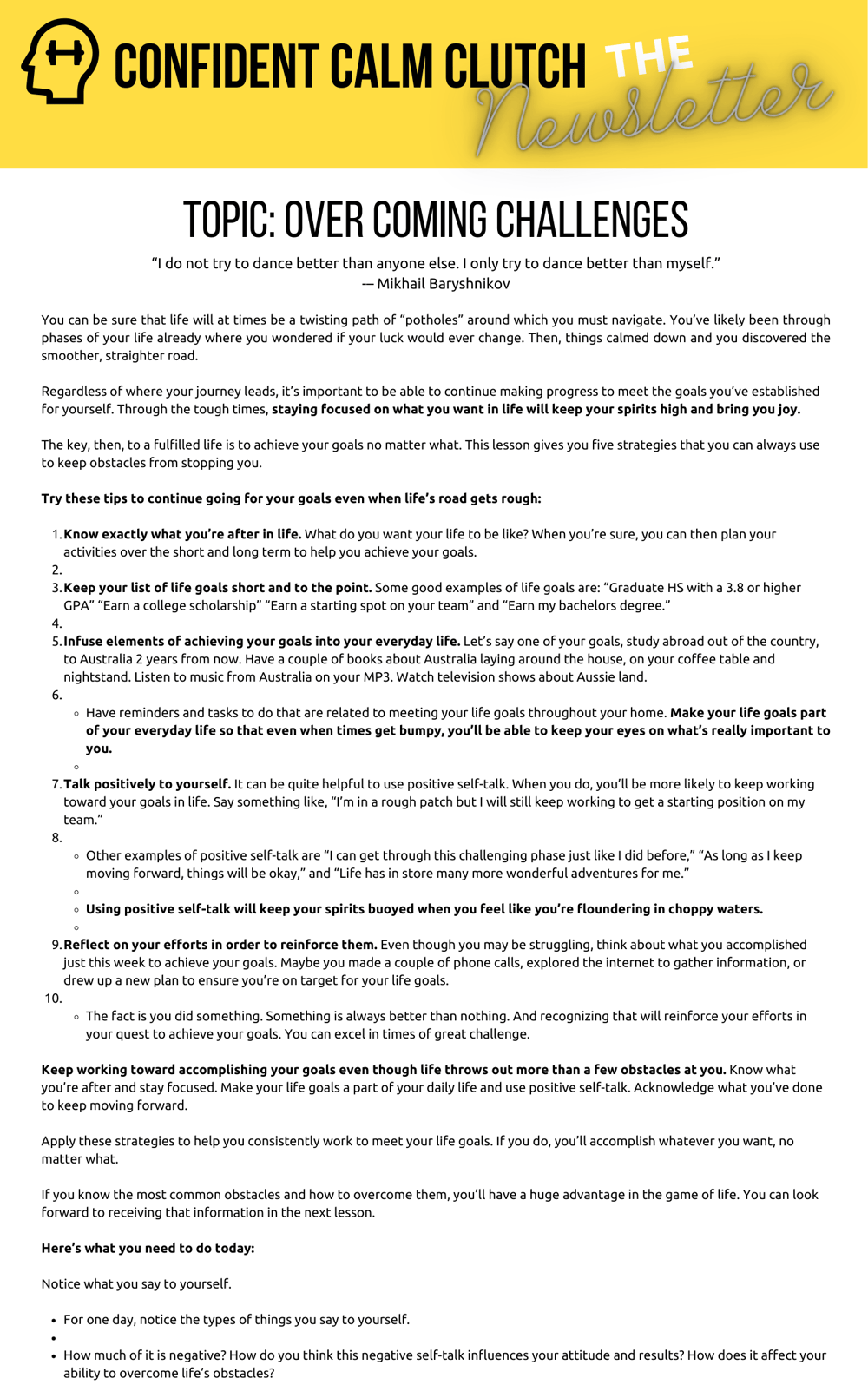
Join Our Newsletter/Mailing List Today!
What Every Parent and Coach Needs To Grasp About How to...
Supercharge your Athlete's Mental Toughness Weekly Breakthroughs with the Confident Calm & Clutch Newsletter. Transform your athletes ability to thrive & succeed in sport and life in just 10 minutes a day!.
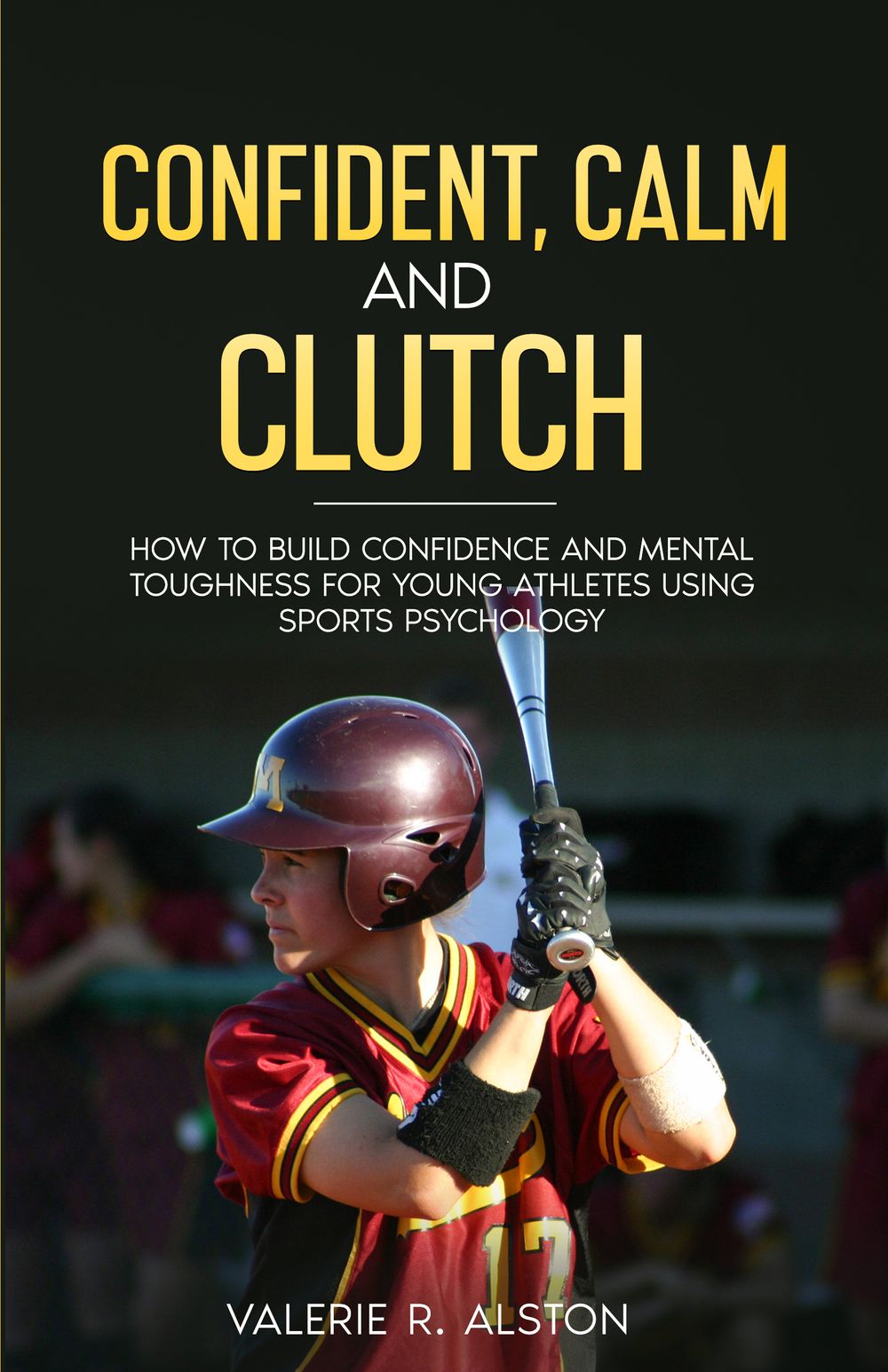
Become a confident and resilient champion with this essential guidebook on mental toughness – nourish the body by strengthening the mind!
A lack of mental toughness is the biggest enemy of athletes. It can hinder your performance, fuel self-doubt, and lead you to give up at the slightest difficulty.
Fortunately, mental toughness isn’t something you have to be born with. You can develop it through practice and dedication… so you can become more resilient and flexible and be able to challenge setbacks and turn them into breakthroughs.
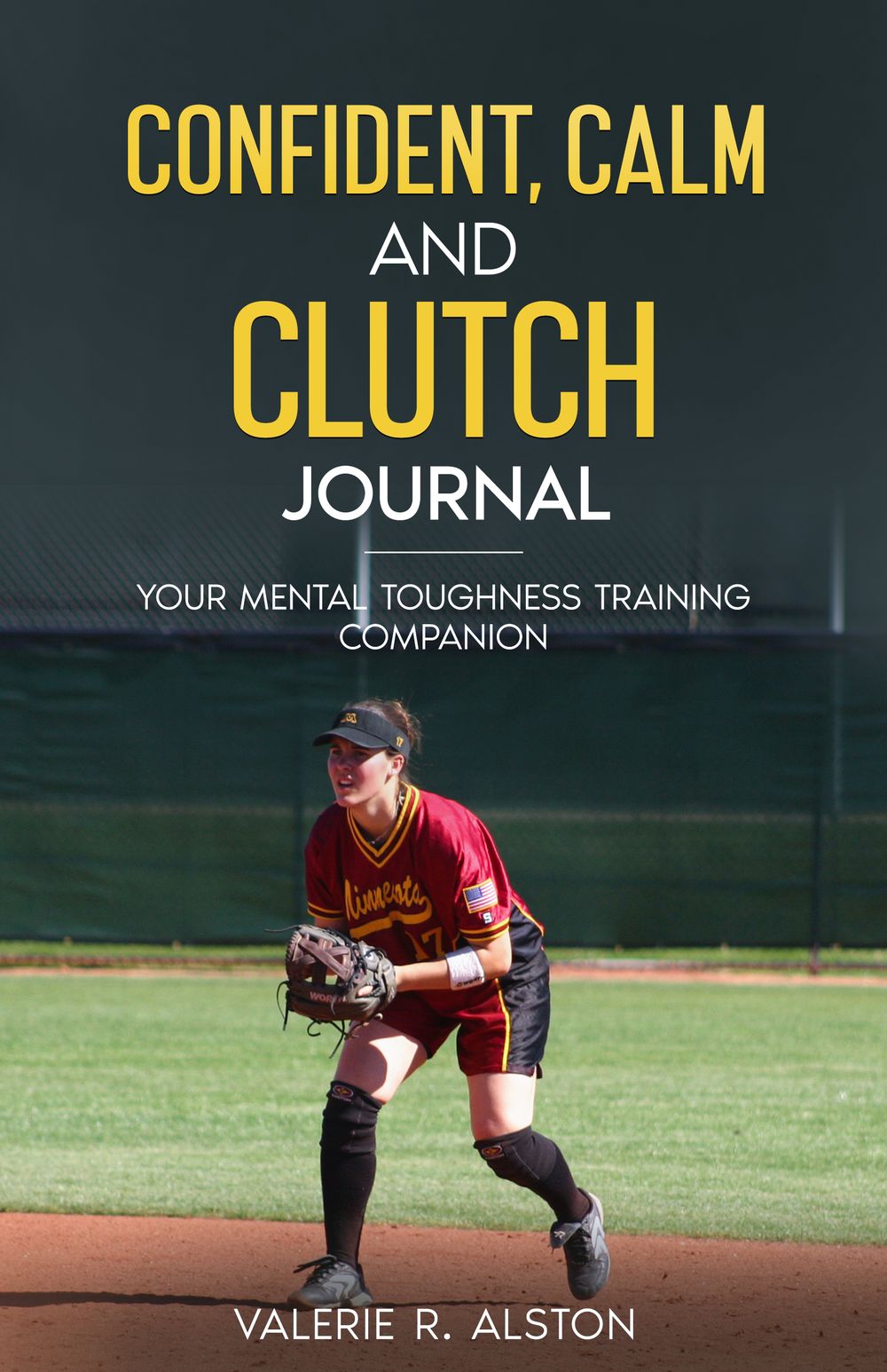
This journal is designed to help you build your self-awareness and develop the mental processes that help your performance, and discover what's getting in your way, so you can change it.
The pages give you an opportunity to rate the quality of your confidence, motivation, focus, and energy each day. This allows you to see trends over time. The notes pages allow you to reflect and free think about your experiences that day, and how your specific thoughts, emotions, and physiological states affect you and your performance.
It is a great companion to any of my training programs or to help you implement the tools in my book.
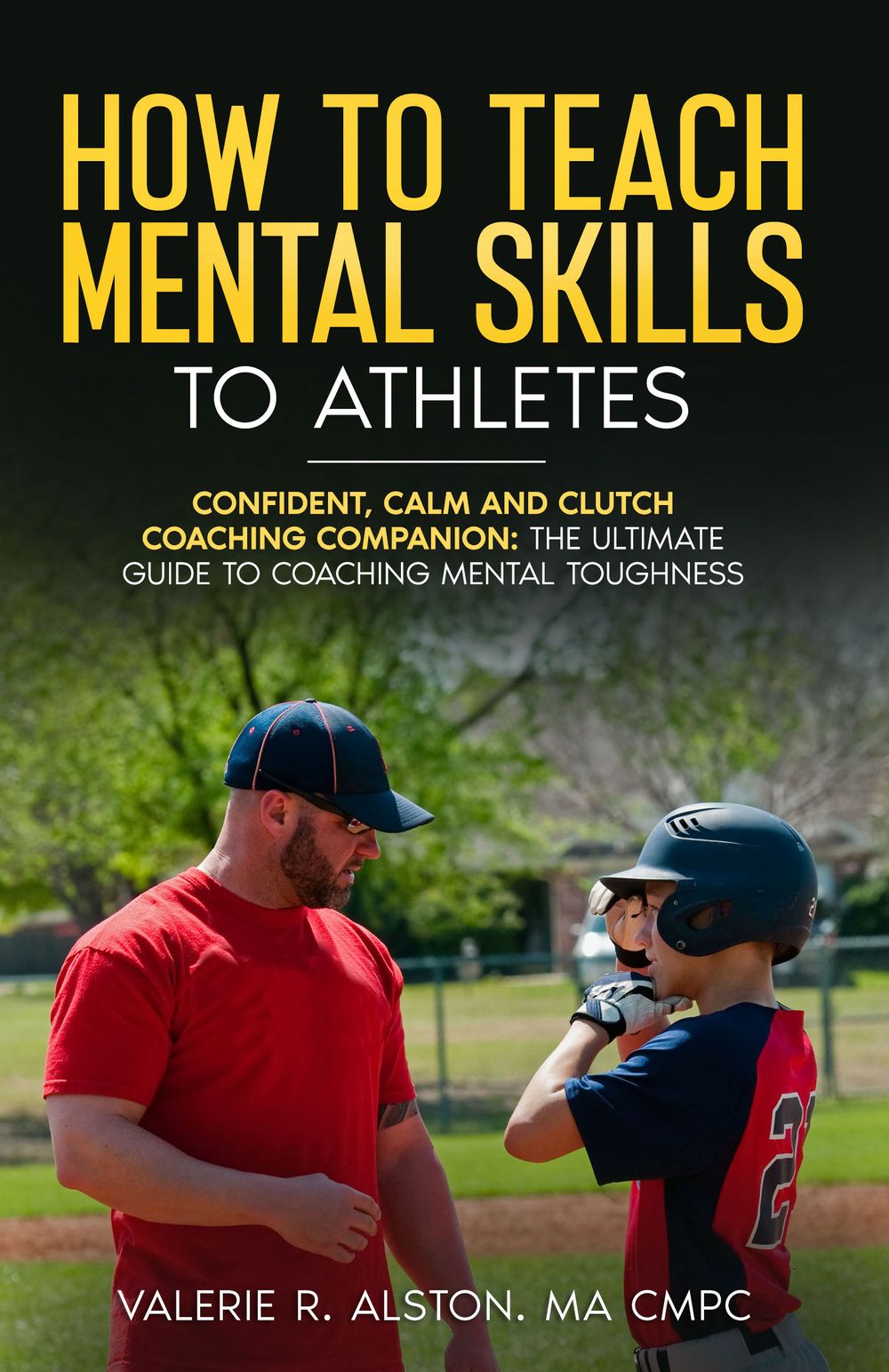
This is a companion manual for coaches who want to use Confident, Calm & Clutch with their teams or just want to learn proven strategies for building mental toughness with their teams / athletes.
No more guess work or just hoping your team develops mental toughness. Discover proven techniques and strategies for implementing deliberate mental skills training with your team.
Discover how to implement the lessons from the book into your practice plan, run a book study with your team, build an effective culture and so much more.
Get guidance and assistance from me as you go!
Services
World Class Training
On demand training delivered through the Toughness Trainer App. Online self-paced education courses that combine video instruction and activities to help you build skills in your desired area. You can utilize community features to ask questions, get support and help applying what you are learning. Some courses include group coaching.
Personal Coaching
One-on-one with Valerie Alston via Zoom. I am trained in behavior change and motivational techniques. Rather than acting as the expert and giving advice, I will create an environment that gives you permission to take the lead. I adhere to what you want, not what I think you should want. You determine your unique goals through a process of self-discovery and accountability, and I facilitate change at a pace set by you. The goal of these sessions is to give you personalized coaching and help you apply the techniques in this book to build your mental toughness..
Team Consultation and Camp Instruction
Team sessions are designed and structured to address mental barriers that the team has in their day-to-day functioning or performance. This could include team building, or mental skills instruction. If you run sports camps or clinics and would like to bring added value to your athletes I can help by including mental skills instruction at your camp/clinic.
