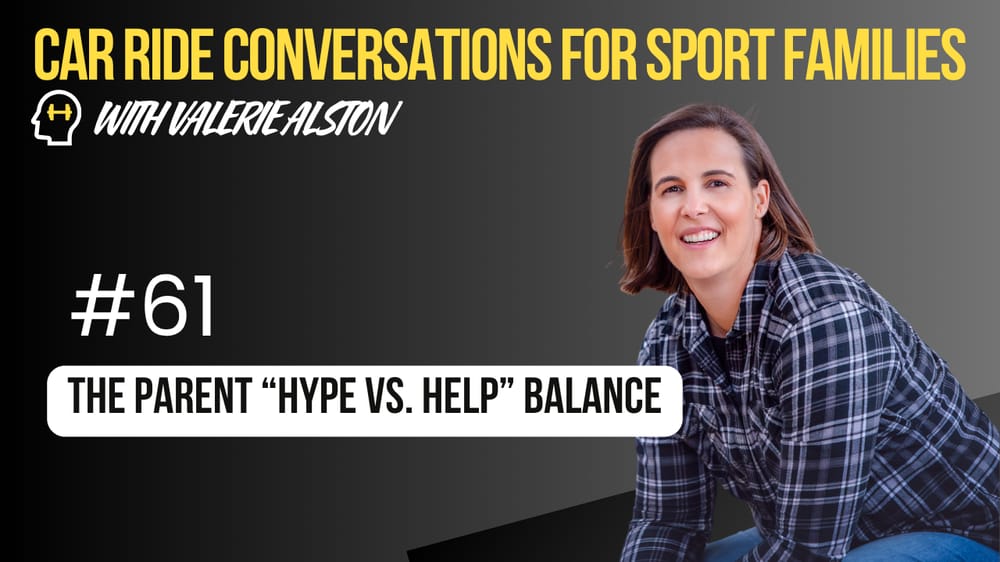
The Parent “Hype vs. Help” Balance
Monday, March 23, 2026
Mastering the Art of Mindful Sports Parenting: Balance “Hype vs. Help”
Sports parenting is an intricate dance, a balance between providing encouragement and offering constructive guidance. Sometimes your young athlete needs a cheerleader, while other times, they require a coach to help them improve. Knowing when to offer support and when to provide direction is the essence of effective sports parenting. In this blog post, we explore strategies to perfect that balance, strengthen relationships, and nurture a lifelong love for the game.
Understanding Hype vs. Help
When we talk about "hype," we mean meeting your child's emotional needs—boosting their confidence and helping them feel secure. "Help," on the other hand, entails providing advice, keeping them accountable, and offering technical support. Mastering this balance necessitates understanding how to adapt your approach to each situation.
The Foundation of Unconditional Support
One cardinal principle of sports parenting is unconditional love and support. Ensure your child knows that your love is unwavering and not contingent upon their performance. When children feel that your encouragement and guidance come from a place of love, they're more receptive to feedback meant for their growth.
Establishing Pressures and Perspectives
While it can be tempting to push your child based on what you want for them, it's critical to focus on their unique goals. Understand that sports participation may be recreational for your child, and mismatched expectations can lead to undue stress. Collaborate with your child to set realistic goals and revisit these discussions as necessary, adapting to their changing desires and aspirations.
Crafting an Accountability Framework
Accountability in sports is vital, but it should differentiate from forced participation. Supportive structures that encourage self-awareness and discipline can better prepare young athletes for success. Remind them of their goals, the effort required, and how they can align their practice with their aspirations. This approach nurtures autonomy, allowing children to own their process and results.
Guidelines for Timing Your Support
The key to effective intervention lies in timing. Evaluate whether your child needs emotional support (hype) or tangible guidance (help) based on the situation. After a disappointing performance, prioritize emotional support. However, if your child appears disengaged or needs technical assistance, provide structured help when their emotional state is more receptive.
The Role of Natural Consequences
As parents, it's tempting to protect children from failure. However, allowing them to experience natural consequences can teach valuable lessons. Avoid rescuing them from setbacks that result from choices, instead focus on guiding them to connect efforts with outcomes. This mirrors life outside sports, instilling resilience and independence.
Engaging in Open-Ended Dialogue
Communication is the cornerstone of understanding when to apply hype or help. Regularly engage in conversations with your child about their preferences, goals, and desired support. Understanding when they prefer encouragement over feedback—and vice versa—enhances your ability to offer meaningful support tailored to their needs.
Conclusion: Progress Over Perfection
Ultimately, balance in sports parenting is not about perfection but being present and responsive to your child's needs. Let the relationship with your child be your guide, ensuring your actions prioritize love and support. Through these efforts, you lay the groundwork for instilling confidence, resilience, and a lifelong appreciation for sports.
As you implement these principles, you'll deepen the parent-child bond, becoming not only an essential part of their athletic journey but of their personal growth.

Hi, I Am ValErie Alston
Certified Mental Performance Consultant
Resilience Trainer and Performance Expert for the Army
Author
Former D1 Softball Player
Crossfit Enthusiast
Avid Traveler and lover of food
And Awesome Auntie!
