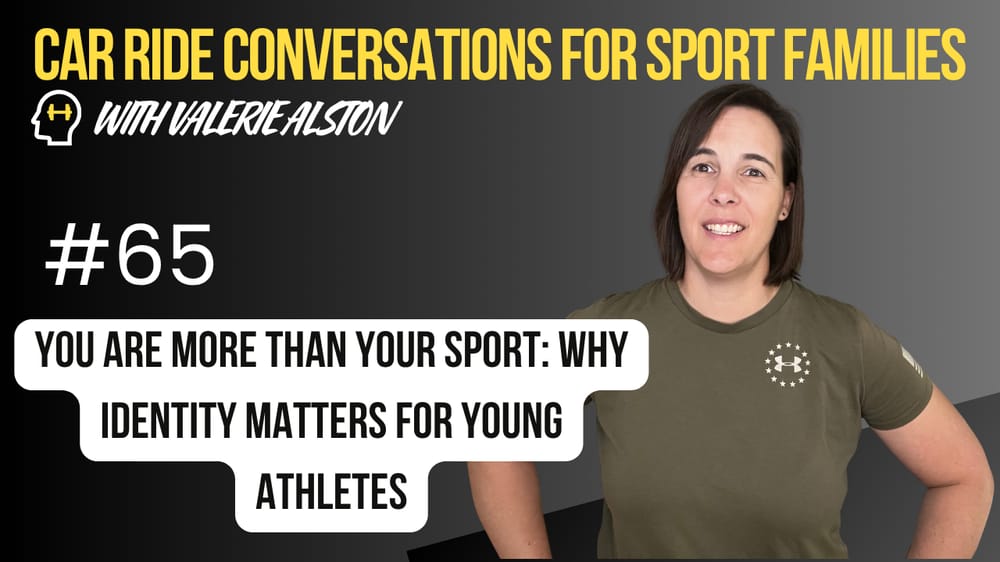
You Are More Than Your Sport: Why Identity Matters for Young Athletes
Sunday, April 26, 2026
Finding Balance: Why Young Athletes Need More Than Their Sport
In a world where athletes often define themselves by their achievements on the field, it's crucial to understand the importance of having a multifaceted identity. This concept became particularly clear to me while watching a video about an Olympic bobsledder who, after achieving the pinnacle of success by winning a gold medal, found himself grappling with depression and a sense of emptiness because his identity was solely tied to being an athlete.
The Problem with a Single-Identity Focus
The focus and drive required to excel in sports can certainly lead to success. However, when one's entire identity is wrapped up in being an athlete, it can lead to a one-dimensional existence. The stakes feel higher, and setbacks become more devastating. It's a lesson that holds true whether you're chasing Olympic dreams or playing in a local league: when your identity is only tied to your sport, setbacks and challenges hit harder.
The Importance of Developing a Broader Identity
To perform better, stay healthier, and enjoy the game longer, young athletes need to cultivate identities beyond their sport. When children and teenagers develop "I am" statements that include being a student, friend, sibling, or artist, they create a safety net for themselves. By acknowledging that they are more than just an athlete, they can shield themselves from the immense pressure tied to performance.
The Role of Parents and Coaches
Parents and coaches play a vital role in encouraging young athletes to explore interests outside of sports. Whether it's participating in a school club, pursuing a hobby, or simply spending time with friends, having multiple identities allows athletes to recover emotionally faster after setbacks. It also guards them against the burnout often seen in those who focus solely on a single pursuit.
Creating Opportunities for Growth
So, how can parents ensure sports isn't the only defining element of their child's identity? It's about providing opportunities to explore various interests. As a child, I was a dancer, a reader, and a sports enthusiast. These varied activities not only provided creative outlets but also offered different perspectives and environments that enriched my life outside of sports.
Handling Life's Transitions
Having multiple identities also helps athletes handle transitions more effectively, whether it’s dealing with injuries, retiring from the sport, or not making a team. Multiple identities make an individual more resilient, providing a broader support system for when their primary identity is challenged.
Questions to Ponder
To help your young athlete build a more balanced identity, consider these questions:
1. If someone asked you to describe yourself without mentioning your sport, what would you say?
2. What are some of the things you enjoy and feel confident in outside of your sport?
3. How do you think having other interests or roles can help you when sports get tough?
Conclusion
Let's strive to ensure that sports, while meaningful, are just one part of a larger, more enriched identity. Encouraging broader interests not only makes for a healthier athlete but a happier, more well-rounded individual.
Remember, the best athletes know who they are with or without the game. Let's work to keep those conversations rolling and make sure our young athletes grow into individuals who are confident, calm, and clutch, both on and off the field.
Thank you for joining me in exploring this essential topic. If you found this helpful, share it with others who might benefit. For more insights, don't forget to subscribe to my newsletter. I look forward to our continued journey together.

Hi, I Am ValErie Alston
Certified Mental Performance Consultant
Resilience Trainer and Performance Expert for the Army
Author
Former D1 Softball Player
Crossfit Enthusiast
Avid Traveler and lover of food
And Awesome Auntie!
