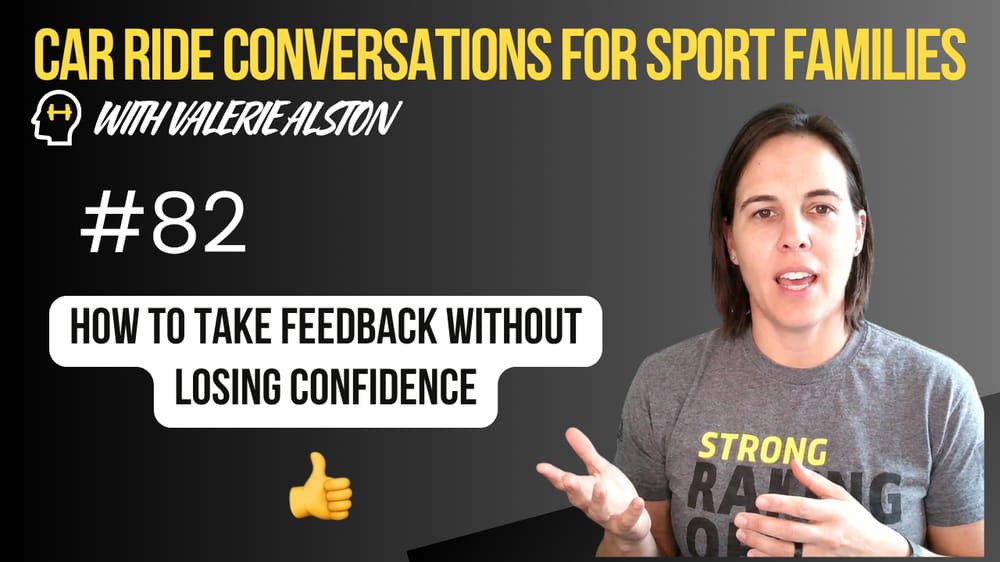
How to Take Feedback Without Losing Confidence
Monday, August 24, 2026
Embracing Feedback: Building Confidence in Sports
In the world of sports, feedback can often feel like a double-edged sword. Athletes who improve the fastest aren't those who never face criticism; instead, they're those who learn how to harness feedback without letting it define their self-worth. Few of us naturally enjoy being told to improve, whether it's a coach critiquing our swing or urging us to hustle more. However, the key lies in changing the way we perceive that feedback.
Feedback and Confidence
Feedback is not the antithesis of confidence; it can be one of the strongest foundations for it. The distinction isn't in the feedback itself but in the narrative we create around it. Those who thrive see feedback as information, not an identity statement. For instance, when a coach says, "Your footwork needs work," some might hear an attack on their athleticism. The truth, however, is feedback often speaks to a behavior or skill, not your value as a person.
Adopting a growth mindset is essential. This belief in the potential for improvement transforms feedback from a threat into a learning opportunity. Mistakes, with this mindset, become a path to progress rather than a source of fear.
Psychology Behind Feedback Reception
A deeper understanding of how we interpret success and failure can also reshape our response to feedback. Internal versus external attributions—along with control and stability factors—impact how we perceive and react to these moments. By focusing on internal, controllable elements, athletes can take ownership and grow. Asking crucial questions like, "What can I improve?" or "What did I learn?" shifts the narrative from defeat to development.
The Role of Coaches and Parents
Coaches play a pivotal role, but they're not infallible. While their delivery of feedback might not always be perfect, their intention typically is to foster growth and development in athletes. The way we interpret their feedback is crucial. Moving from defensiveness to curiosity—asking, "What's the lesson here?"—can improve receptiveness and benefit personal development.
Parents, too, hold significant influence. Encouraging the processing of feedback rather than shielding children from discomfort can normalize the learning journey. Questions like, "What feedback did you receive today?" and "How can you work on that this week?" help children see feedback as a tool for improvement.
Building Lasting Confidence
Ultimately, confidence isn't merely about hearing compliments. It's about how we respond to mistakes and improving through corrective feedback. Picture two athletes: One shuts down in the face of criticism, while the other actively engages, practices, and improves. Over time, the latter will develop real confidence through acquired competence.
In summary, real growth and confidence arise from embracing the discomfort of feedback and viewing it as a roadmap for improvement. Instilling a growth mindset, understanding psychological responses, and nurturing a positive feedback culture can transform how athletes—and indeed anyone—perceives criticism. For more insights into building mental toughness, confidence, and resilience in athletes, consider listening to our full podcast episode.
For ongoing tips and dialogue starters on nurturing athletes, consider subscribing to our newsletter. Stay curious, stay committed, and keep those lines of communication open. Your journey towards building stronger relationships and skills continues with every conversation.
If this resonates with you, share and interact with others who could benefit from these insights. Let’s make those car rides count and continue these conversations off the field as well.
For more content, check out past episodes or propose new topics through our social media channels. Let’s shape these discussions together for a brighter and more confident sporting future.

Hi, I Am ValErie Alston
Certified Mental Performance Consultant
Resilience Trainer and Performance Expert for the Army
Author
Former D1 Softball Player
Crossfit Enthusiast
Avid Traveler and lover of food
And Awesome Auntie!
